
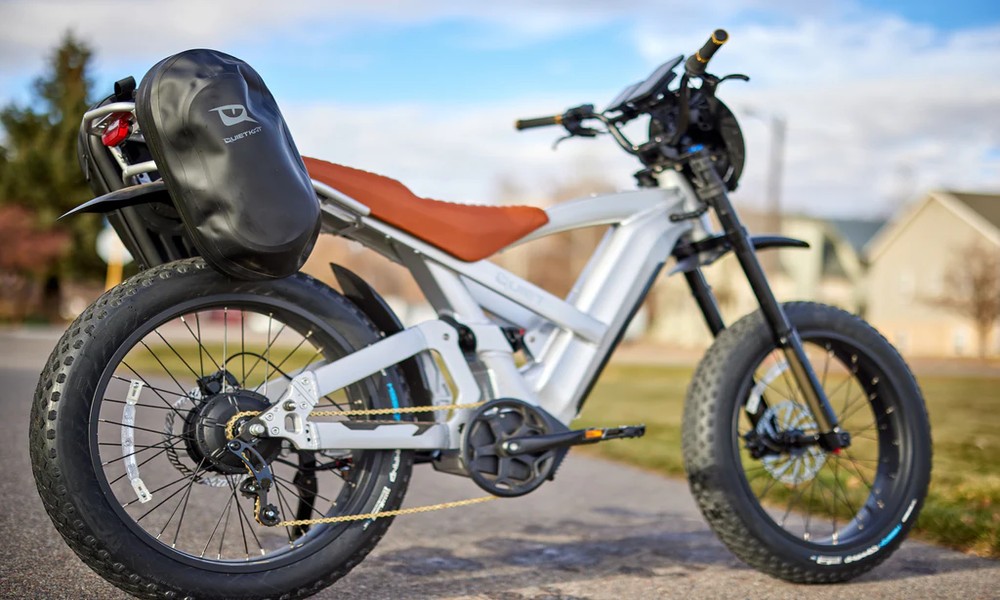
A lot of consumers do side-by-side comparison before buying. But long-term value is frequently determined by battery performance. The title, Purchasing Electric Bikes After Assessing Battery Capacity and Efficiency, underlines an important aspect of the purchase. A strong power unit supports longer travel and steady output. Reliable storage capacity also reduces frequent charging needs. Choosing electric bikes after careful evaluation helps buyers avoid future maintenance concerns and supports better daily use.
Understanding Power Storage Needs
This section is geared towards correlating the travel needs with the correct battery size. It assists buyers in making the right choice of units, neither too small, nor too large.
Travel distance is directly correlated to battery capacity. The larger the size, the longer they can go without charging for a longer distance. Before deciding on option, buyers ought to consider the day to day requirements. It is a way to maintain performance, cost, and usability of the long-term systems.
Comparing Daily Usage Patterns
This section explains how riding habits influence battery selection. Different usage patterns require different power levels.
People using bikes for short city travel may not require large battery units. The longer commute tends to be the better the storage. The amount of energy used during normal riding operations can also depend on the weather, road conditions and rider weight.
| Usage Type | Suggested Capacity Range | Typical Travel Distance |
|---|---|---|
| Short errands | 250Wh to 350Wh | 20 to 35 km |
| City commuting | 350Wh to 500Wh | 35 to 60 km |
| Long travel routes | 500Wh to 750Wh | 60 to 100 km |
| Mixed terrain rides | 600Wh and above | 70 km plus |
Factors That Influence Battery Output
There are a number of factors that influence the total power delivery during operation. As you’re looking into purchasing a home, it’s important to grasp these facts to make a more accurate comparison.
Important Buying Points
• Check charging duration before selecting a suitable riding model.
• Compare storage rating across multiple brands before purchase.
• Review manufacturer support for future battery replacement needs.
• Examine warranty terms covering power unit performance periods.
• Verify charging port quality for safer daily charging.
• Consider travel distance estimates under normal riding conditions.
• Assess motor compatibility before choosing a specific battery.
• Inspect battery placement for improved balance during travel.
What Should Buyers Review Before Making Decisions?
Careful evaluation helps avoid unnecessary spending. Battery specifications often provide useful details regarding expected performance under normal conditions.
Another important consideration is charging frequency. Recurrent charging may growth wear over time. Studying battery quality, service accessibility, and replacement costs helps create a clearer picture of long-term ownership. Midway through research, many buyers compare electric bikes based on energy use rather than enhancing features alone.
Battery Types Worth Reviewing
Different battery technologies provide varying levels of performance. Understanding these differences supports informed purchasing decisions.
Common Battery Options
• Lithium-ion units offer strong lifespan with dependable output.
• Nickel-based batteries provide moderate performance for basic travel.
• Lightweight battery designs support easier handling during rides.
• High-density cells store greater energy within compact space.
• Modern systems provide better charging consistency across cycles.
• Durable battery structures reduce damage from regular movement.
• Weather-resistant units support operation during varying conditions.
• Advanced designs improve energy delivery during extended journeys.
Helpful Buyer Clarifications Section
• What capacity suits short daily commuting needs? Around 350Wh often supports regular urban travel.
• Does larger capacity always mean better value? Only when travel demands require extended range.
• How often should batteries be charged? Follow manufacturer guidance for best lifespan.
• Can battery performance change over years? Gradual reduction occurs through normal usage.
Making Better Purchasing Choices Ahead
Careful comparison often produces better ownership results. Since the information regarding battery size, charging requirements, efficiency ratings, and warranty coverage ensures a well-rounded purchasing experience. Reliable evaluation supports dependable performance across daily travel needs. A thoughtful approach usually leads to greater value over the long term.